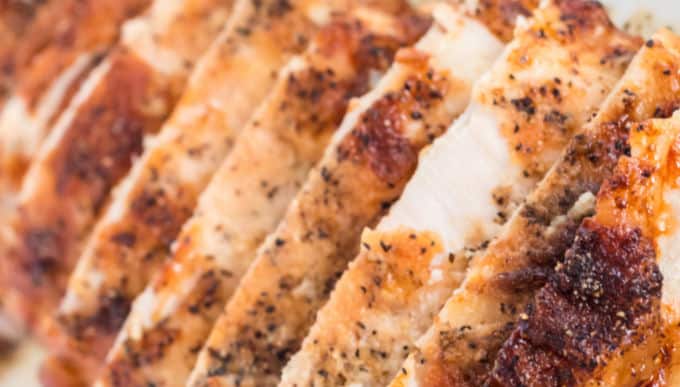
Unlock Perfectly Juicy Pork Loin: No More Dry Dinners
Few culinary disappointments sting quite as much as a dry, uninspiring piece of pork. We've all been there – eagerly anticipating a succulent, flavorful main dish, only to be met with something akin to shoe leather. But what if we told you that perfectly juicy pork loin isn't a mythical creature, but a culinary reality well within your reach? With the right knowledge and a few clever tricks, your journey to mastering the ultimate pork loin recipe can begin today, transforming ordinary dinners into show-stopping meals.
Pork loin is a remarkably versatile ingredient, capable of delivering a truly elegant meal with surprisingly minimal effort. Whether you prefer it roasted to golden perfection, slow-cooked until it falls apart, grilled for a smoky char, or even prepared quickly on the stovetop, this cut of meat is your ticket to a satisfying and impressive dining experience. The secret lies not just in the cooking method, but in understanding the meat itself and how to coax out its incredible potential for flavor and tenderness.
The Secret to Succulent Pork Loin: It Starts with the Cut (and the Sauce!)
The foundation of any great dish begins with quality ingredients, and for pork loin, that means selecting the right cut. This often overlooked detail is the number one reason many home cooks struggle to achieve that coveted juiciness. Understanding the difference between pork loin and pork tenderloin is absolutely critical.
Pork Loin vs. Pork Tenderloin: Know the Difference!
This is where many well-intentioned dinners go awry. While both are lean cuts, they behave very differently under heat:
- Pork Loin (Buy this one!): This is a wide, thick roast, typically with a generous fat cap on top. This fat cap is your best friend during cooking, slowly rendering to baste the meat and lock in moisture, ensuring a tender and juicy result. Its thickness makes it ideal for roasting, slow-cooking, and methods that require a bit more cooking time. When shopping, look for a fresh, thick pork loin with a visible layer of fat – this is the key to that melt-in-your-mouth texture.
- Pork Tenderloin (Don't buy this for a traditional roast!): This is a long, thin, and narrow cut of meat. It cooks incredibly fast and is best suited for quick-cooking methods like pan-searing, grilling, or stir-frying. If you attempt to roast a tenderloin using a recipe designed for a loin, you'll inevitably end up with dry, overcooked meat in minutes. If you accidentally pick up a tenderloin, consider quick recipes like a pan-seared Dijon garlic pork, but save your traditional roasts for the wider loin.
Beyond the cut, the magic of a truly juicy pork loin often lies in its accompanying sauce or glaze. A well-crafted sauce doesn't just add flavor; it acts as a protective layer, helping to seal in moisture while its savory, sweet, or aromatic components penetrate the meat. This internal basting is what transforms a lean cut into an unforgettable culinary experience.
Flavor Profiles That Transform Your Pork Loin Recipe
Once you have the right cut, the world of flavor opens up. From rustic, herbaceous roasts to sticky, sweet glazes, there’s a pork loin recipe to suit every palate and occasion.
Herbed Garlic Pork Loin: Classic Comfort, Elevated
For those nights when you crave something both fancy and fuss-free, a zesty and aromatic herbed garlic pork loin roast is the ultimate answer. Imagine tender, flavorful meat packed with the savory punch of garlic and fragrant herbs like rosemary, thyme, and oregano. The exterior develops a beautiful, lightly crisp crust, while the inside remains incredibly moist and tender. This dish is perfect for a special weeknight meal or a relaxed gathering with friends. Serve it sliced thickly over a bed of creamy mashed potatoes, allowing the juices to mingle, or alongside roasted seasonal vegetables for a complete, comforting meal that feels far more labor-intensive than it actually is.
Sweet & Savory Glazes: Maple-Dijon & Honey-Mustard Magic
Nothing elevates pork quite like a perfectly balanced sweet and savory glaze that caramelizes into a sticky, irresistible crust. Maple-Dijon pork loin and honey-mustard glazed pork loin are prime examples of this culinary alchemy. The natural sugars in maple syrup or honey create a beautiful golden-brown exterior, while the sharp, tangy notes of Dijon mustard cut through the sweetness, providing a perfect counterpoint of flavors that's never overpowering. These glazes don't just add incredible taste; they actively contribute to the pork's juiciness by forming a delicious barrier that helps trap moisture within the meat. Each slice comes out incredibly tender, boasting that delectable sticky glaze. Serve these over mashed potatoes or with roasted vegetables to soak up every last drop of the rich, flavorful sauce – they are guaranteed crowd-pleasers.
Honey Garlic Butter Sauce: The Ultimate Crowd-Pleaser
Let's be honest: dry pork is a culinary crime. But fear not, because the honey garlic butter sauce is your secret weapon against blandness. This robust sauce doesn't just sit on top of the pork loin; it actively works its way into the meat, locking in moisture while infusing every fiber with savory garlic and natural sweetness from the honey. The result? A roast pork loin that is juicy, melt-in-your-mouth tender, and absolutely unforgettable. This is the kind of dish that impresses guests effortlessly or simply elevates a mundane Tuesday night into a gourmet experience. The richness of butter, the aromatic punch of garlic, and the caramelizing sweetness of honey combine to create a deeply flavored pairing that makes this lean cut sing. If you've been intimidated by roasting pork in the past, this method will change your life.
Mastering the Cook: Techniques for a Perfect Pork Loin
While the ingredients and flavor profiles are vital, the cooking technique itself is the final piece of the puzzle for achieving perfectly juicy pork loin. Regardless of whether you choose to roast, slow cook, grill, or pan-sear, a few fundamental principles apply.
- Don't Overcook It! This is the golden rule for pork. Pork loin is lean, meaning it can dry out quickly if cooked past its ideal internal temperature. For a perfectly juicy result, aim for an internal temperature of 145°F (63°C) as measured by a reliable meat thermometer inserted into the thickest part of the loin. Remember, the temperature will continue to rise a few degrees after it's removed from the heat (carry-over cooking), so pulling it out slightly before it reaches 145°F is a smart move.
- Resting Time is Non-Negotiable: As tempting as it is to slice into that beautifully cooked pork immediately, resist the urge! Resting the meat for at least 10-15 minutes (longer for larger roasts) allows the juices, which have been pushed to the center by the heat, to redistribute throughout the entire loin. This ensures every slice is moist and flavorful. Cover it loosely with foil to keep it warm.
- Searing for Flavor and Crust: For roasted or slow-cooked pork loin, searing it in a hot pan before transferring it to the oven or slow cooker creates a beautiful, caramelized crust and deepens the flavor. This Maillard reaction is where much of the rich, savory taste develops.
- Consider a Brine or Marinade: For an extra layer of moisture insurance and flavor, consider brining your pork loin for a few hours or overnight. A simple salt, sugar, and water brine can significantly improve moisture retention. Marinades, especially those with acidic components like citrus or vinegar, can also tenderize and infuse flavor.
Beyond the Basics: Elevating Your Pork Loin Experience
Once you've mastered the art of the juicy pork loin, there are countless ways to customize and elevate your meals. Think about complementary side dishes that enhance the main event. Creamy polenta, wild rice pilaf, sweet potato gratin, or a crisp apple and fennel salad can all beautifully complement the rich flavors of pork. For wine pairings, a medium-bodied white like Chardonnay or Pinot Gris works well with herbed pork, while a light-bodied red such as Pinot Noir or Beaujolais can stand up to the sweeter, glazed varieties.
Pork loin also makes for fantastic meal prep. Cook a larger roast at the beginning of the week, and you'll have versatile leftovers for sandwiches, salads, stir-fries, or quick weeknight tacos. The possibilities are endless when you start with a perfectly cooked, juicy foundation.
No longer do you need to dread dry, uninspired pork. By understanding the critical difference between pork loin and tenderloin, embracing deeply flavorful sauces and glazes, and employing proper cooking techniques like precise temperature monitoring and crucial resting time, you are well on your way to unlocking perfectly juicy pork loin every single time. It's a simple, elegant, and ultimately satisfying cut that, when treated right, promises to deliver a show-stopping meal with minimal fuss and maximum flavor.
