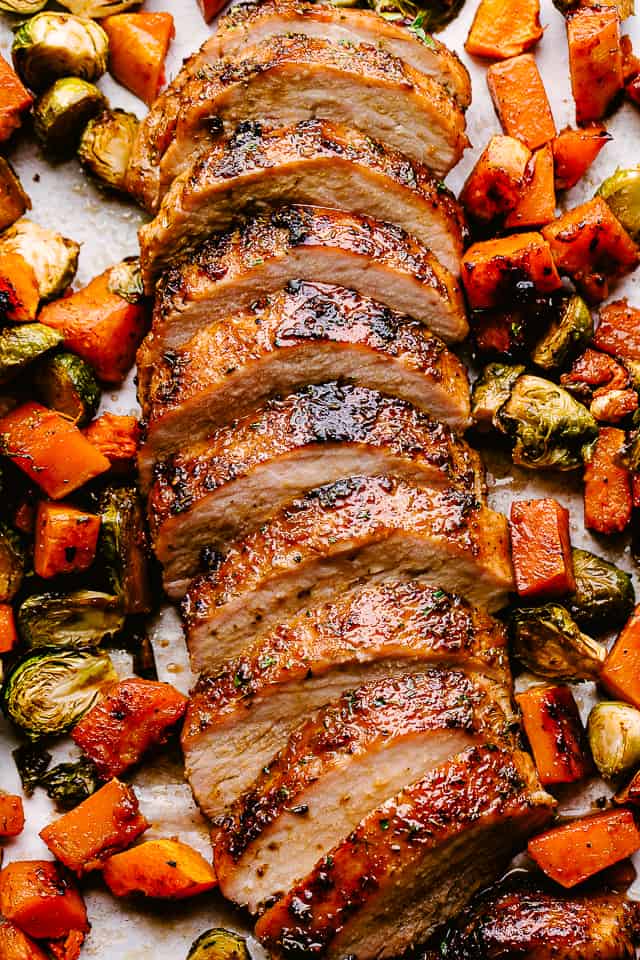
The Secret to Masterful Roast Pork Loin: Tender, Juicy, and Unforgettable
There's a reason why pork loin consistently ranks as a go-to ingredient for home cooks and seasoned chefs alike: it’s the ultimate canvas for a meal that feels effortlessly gourmet. Imagine a dish that boasts succulent, fork-tender meat, enveloped in a symphony of flavors, all while requiring surprisingly minimal effort. That, my friends, is the promise of a perfectly roasted pork loin. This versatile cut is capable of transforming a mundane weeknight into a special occasion or elevating a relaxed gathering into a culinary event. Forget dry, uninspired pork; we're about to unlock the secrets to a truly show-stopping pork loin recipe that delivers juicy, flavorful results every single time.
The Allure of a Perfectly Roasted Pork Loin
What makes pork loin so appealing? Its mild flavor and lean profile make it incredibly adaptable to a vast array of seasonings and cooking methods. Whether you envision it roasted to golden perfection in the oven, slow-cooked until it practically falls apart, seared on the stovetop, or grilled for a smoky char, pork loin delivers. The beauty lies in its ability to absorb and enhance the flavors you introduce, from zesty herbs to sweet and savory glazes.
Think about those moments when you crave something fancy, yet you dread the fuss that often accompanies elaborate dishes. This is precisely where a well-executed pork loin recipe shines. It provides that luxurious, comforting feeling of a substantial main course without demanding hours of meticulous preparation. The goal is always the same: a beautiful, lightly crisp exterior that gives way to an incredibly moist and tender interior, each slice packed with savory goodness.
Decoding the Difference: Pork Loin vs. Pork Tenderloin (Crucial Tip!)
Before you even step into the kitchen, the most critical decision for any successful pork loin recipe happens at the butcher counter. Mistaking pork loin for pork tenderloin is one of the easiest ways to derail your dinner plans and end up with a dry, overcooked result. Let's clear up the confusion:
*
Pork Loin (Buy This One!): This is the star of our show. A pork loin is a wide, thick cut of meat, often weighing 2-4 pounds, with a noticeable fat cap on one side. This fat cap is your secret weapon, rendering beautifully during cooking to self-baste the meat and keep it incredibly juicy and tender. When selecting, look for a thick, fresh loin with a healthy, even layer of fat. This structure is built for roasting and can handle longer cooking times, allowing flavors to develop and textures to perfect.
*
Pork Tenderloin (Don't Buy This for Roasting!): In contrast, pork tenderloin is a long, skinny, and much narrower cut, typically weighing around 1-1.5 pounds. Its lean nature means it cooks very quickly – often in 20-30 minutes. If you attempt to use a tenderloin in a recipe designed for a pork loin, you'll inevitably end up with dry, shoe-leather tough meat. Save the tenderloin for quick-cooking methods like pan-searing or grilling in a specific recipe designed for its lean, fast-cooking properties.
Understanding this distinction is the number one question we encounter, and getting it right ensures your journey to a juicy roast is off to the best possible start.
Crafting Culinary Magic: Irresistible Pork Loin Flavor Profiles
The true delight of a pork loin recipe lies in the endless possibilities for flavor. Here are some inspiring ideas, guaranteed to create memorable meals:
*
Herbed Garlic Perfection: Imagine the robust aroma of garlic mingling with fragrant fresh herbs like rosemary, thyme, and sage. This combination creates a zesty and aromatic crust that seals in moisture. Each slice is a savory punch, making it the ultimate cozy dinner. Serve it over creamy mashed potatoes or alongside roasted seasonal vegetables to capture every delicious drop of juice.
*
Maple-Dijon Delight: For those nights when you crave something fancy but fuss-free, a maple-Dijon glaze is your answer. It's a symphony of sweet and savory notes, creating an incredibly juicy pork loin with a sticky, golden glaze. The maple provides a natural sweetness that beautifully balances the sharp tang of Dijon mustard, resulting in a flavor profile that’s never overpowering. It's fantastic over mashed potatoes or with roasted root vegetables to soak up all that irresistible sauce.
*
Honey Mustard Glaze: Nothing quite beats a cozy dinner that feels indulgent but is actually super simple to make. A honey mustard glazed pork loin embodies this perfectly – a sweet, tangy, and undeniably juicy main dish. The magic happens as the glaze caramelizes during roasting, forming a sticky, flavorful crust that enhances the tenderness of the meat within. Sliced thinly and served with a simple green salad or more mashed potatoes, it's a guaranteed crowd-pleaser.
*
Honey Garlic Butter Sauce: This flavor pairing is truly a secret weapon for impressing guests or simply elevating a boring Tuesday night. A deeply flavored honey garlic butter sauce doesn't just sit on top; it actively helps lock in moisture while its savory, garlicky goodness penetrates the lean boneless pork loin. Each forkful offers a perfect balance of sweetness and umami, ensuring a bold and unforgettable experience. This method is a game-changer for anyone who’s ever been intimidated by roasting pork, fearing it would turn out dry.
The beauty of these flavor profiles isn't just in their deliciousness; it's in how the glazes and sauces contribute structurally. They help create that desirable caramelized crust, but more importantly, they form a protective barrier that seals in the meat's natural juices, guaranteeing a moist interior.
Mastering the Roast: Essential Tips for Unforgettable Results
Beyond choosing the right cut and the perfect flavor profile, a few fundamental techniques will ensure your pork loin recipe yields tender, juicy results every single time. To truly
unlock perfectly juicy pork loin and avoid dry dinners, understanding these techniques is paramount.
1.
Bring to Room Temperature: Before cooking, allow your pork loin to sit out at room temperature for about 30-60 minutes. This ensures more even cooking, preventing the exterior from overcooking before the center is done.
2.
Prepare the Pork:
*
Score the Fat Cap: Using a sharp knife, lightly score the fat cap in a crosshatch pattern, being careful not to cut into the meat itself. This allows the fat to render more efficiently, keeping the meat moist, and helps the seasonings penetrate deeper.
*
Season Generously: Don't be shy with your seasonings. A good rub of salt, black pepper, and your chosen herbs or spices is crucial for building flavor from the outside in.
3.
The Sear (Optional but Recommended): For an extra layer of flavor and a beautiful crust, consider searing the pork loin on all sides in an oven-safe skillet over medium-high heat before transferring it to the oven. This creates a Maillard reaction, developing rich, complex flavors.
4.
Roasting Temperature and Time:
* Most pork loin recipes call for roasting at a moderate temperature, often between 350°F (175°C) and 400°F (200°C). A general guideline is about 20-25 minutes per pound, but this can vary.
*
Apply Glazes/Sauces Strategically: If using a sweet glaze, apply it during the last 15-20 minutes of roasting. Applying it too early can cause it to burn before the pork is cooked through. For a sauce that helps penetrate, you might apply it earlier or baste periodically.
*
Consider Slow Cooking: For ultimate convenience, especially when running errands, a slow cooker can also produce melt-in-your-mouth pork loin. Adjust liquid and cooking times accordingly for your slow cooker model.
5.
The Crucial Resting Period: This is arguably the most vital step after cooking. Once the pork loin is out of the oven, transfer it to a cutting board, tent it loosely with foil, and let it rest for 10-15 minutes. This allows the juices, which have been driven to the center during cooking, to redistribute throughout the meat, resulting in an incredibly tender and moist final product. Skipping this step will result in juices flowing out when you slice, leaving you with drier meat.
6.
Monitor Internal Temperature: The only way to guarantee perfectly cooked pork loin is to use a reliable meat thermometer. Insert it into the thickest part of the loin, avoiding bone or fat pockets. Pork loin is safely cooked when it reaches an internal temperature of 145°F (63°C) for medium-rare, or up to 160°F (71°C) for well-done. Remember that carryover cooking will increase the temperature by a few degrees while resting.
Serving Suggestions & Pairings
A magnificent roast pork loin deserves equally delightful accompaniments. Classic pairings include creamy mashed potatoes, which are perfect for soaking up any extra sauce or pan juices, and roasted seasonal vegetables like carrots, Brussels sprouts, or asparagus. For something different, consider a fluffy rice pilaf, creamy polenta, or even a side of crusty artisan bread to sop up every last drop of flavor. A crisp green salad with a light vinaigrette also provides a refreshing contrast to the richness of the pork. For beverage pairings, a medium-bodied white wine like Chardonnay or Pinot Grigio, or a light-bodied red like Pinot Noir, would complement most pork loin preparations beautifully.
Conclusion
Mastering a pork loin recipe isn't about complexity; it's about understanding a few key principles and applying them with confidence. From selecting the right cut to seasoning generously, managing your cooking temperature, and most importantly, allowing for that essential resting period, each step contributes to an unforgettable culinary experience. You now have the knowledge to transform a humble cut of pork into a tender, juicy, and flavor-packed masterpiece that will impress even the most discerning palates. With these insights, you're ready to explore a myriad of
easy pork loin recipes that impress guests with show-stopping meals. So go ahead, choose your flavor adventure, fire up that oven, and prepare to savor the incredible satisfaction of a perfectly roasted pork loin.